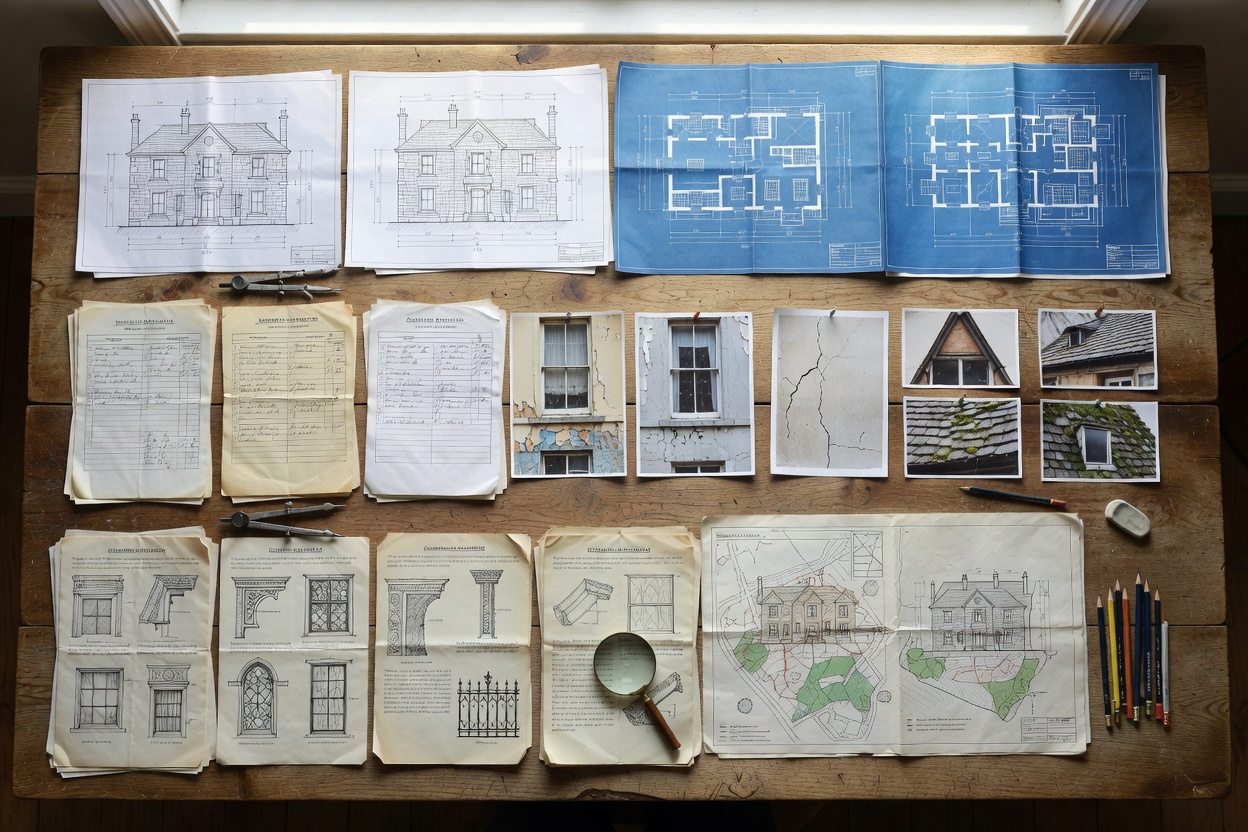
From Crisis Management to Preventive Care
Historically, public sculptures are often ignored until an arm becomes loose, a plinth block shears off, or offensive graffiti is etched into an unsealed porous stone pedestal. At that juncture, emergency intervention costs are exorbitant, and irreversible material damage has frequently occurred.
A proactive conservation management plan inverts this costly dynamic. By allocating modest, predictable annual sums to routine inspections, joint repointing, drain clearing, and protective microcrystalline wax buffing, public authorities can prevent major structural failures and extend the lifespan of monuments indefinitely.
Key Components of a Robust Conservation Management Plan
Whether managing a solitary bronze hero in a small town square or an extensive collection of stone allegories across a metropolitan park system, our conservation planning dossiers provide clear, practical guidance:
- The Asset Register & Baseline Condition: Detailed cataloguing of the sculpture's history, constituent stone and bronze alloys, internal construction details, and known historical alterations.
- Environmental Exposure Assessment: Documenting local micro-climatic hazards, such as nearby heavy traffic exhaust, industrial sulfur emissions, marine salt fog, overhanging tree branches, and ground-water salinization.
- Tiered Maintenance Schedules: Establishing concrete intervals for monthly checks (trash removal, weep-hole clearance), annual inspections (joint soundings, wax wear evaluation), and 5-to-10-year major technical interventions.
- Graffiti Rapid-Response Protocol: Setting strict, non-damaging procedures for graffiti remediation. Standardizing approved poultices and low-pressure hot water systems ensures park staff do not apply caustic supermarket strippers that permanently bleach historic stone.
- Budget Forecasting & Specialist Coordination: Providing phased 5-year and 10-year cost estimates that allow municipal finance committees to allocate preservation capital transparently.
Lifecycle Comparison: Reactive vs. Planned Stewardship
| Dimension | Reactive Emergency Repairs | Planned Cyclical Conservation |
|---|---|---|
| Financial Predictability | Unpredictable, sudden spikes following structural failures. | Even, predictable annual maintenance allocation. |
| Historic Fabric Retention | Frequent loss of fragile stone details and original patinas. | Maximum retention of original tooling and noble oxide skins. |
| Public Safety Risk | High risk of loose masonry blocks or sheared armatures falling. | Mitigated via regular structural fastenings surveys. |
| Disruption to Public Realm | Extended scaffoldings and emergency plaza closures. | Rapid, scheduled off-peak treatments with minimal footprint. |
Coordinating Specialists and Public Stakeholders
Conserving a public sculpture is rarely a solitary endeavor. It involves multiple stakeholders: municipal heritage officers, local town councils, neighborhood associations, structural engineers, and conservation contractors.
Our planning documents translate complex conservation science into clear, unambiguous contractor specifications. When an external contractor is engaged to repoint masonry or clean stone reliefs, the conservation brief dictates exactly which binders, aggregate sizes, washing pressures, and safety protocols must be enforced, eliminating disputes and ensuring adherence to heritage standards.
Addressing Surrounding Landscape and Urban Elements
A public sculpture does not stand in isolation. Surrounding landscape factors—such as lawn sprinkler trajectories that hit hot bronze in summer, tree roots lifting plinth sub-bases, or de-icing salts shoveled onto monument steps in winter—often cause more damage than ambient weather. A comprehensive conservation plan reviews the surrounding 15-meter zone and provides landscape maintenance guidelines to protect the installation.
Included in Planning Dossiers
- Individual Monument Logbook & digital twin links
- Matrix of approved conservation materials & suppliers
- Emergency protocol for vandalism, collisions, or storms
- Annual inspector checklist for municipal maintenance staff
Strategic Governance Benefits
- Ensures compliance with European heritage regulations
- Supplies transparent documentation for grant applications
- Prevents costly litigations from falling structural fragments
- Maintains public civic pride in communal public spaces