European Public Sculpture Conservation

Caring for sculpture, place by place.

Cleaning, surface care, condition assessment and conservation planning for public sculptures, civic bronzes, and carved stonework across European urban environments.

Core Materials Cast Bronze, Limestone, Marble & Sandstone
Methodology Non-abrasive, Evidence-based, Reversible
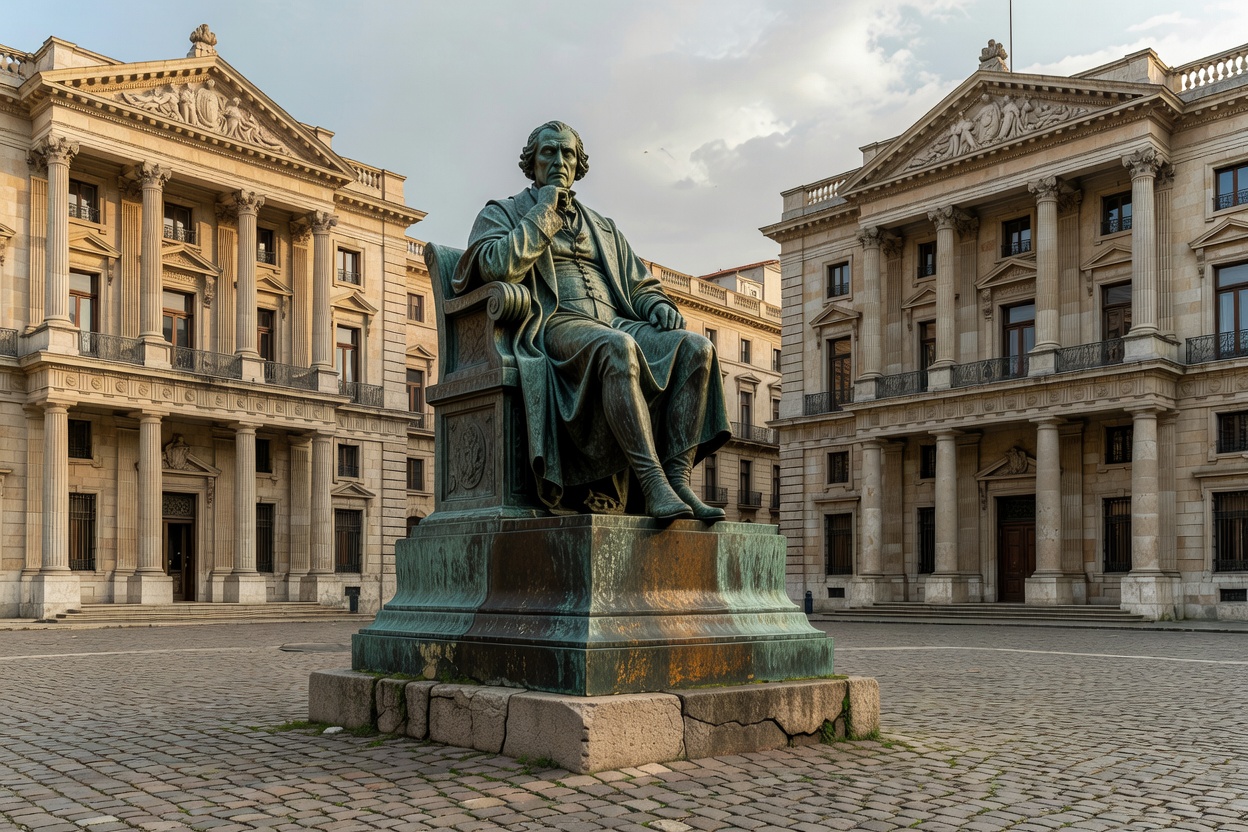
Weathered bronze civic statue seated in a historic European urban square with neo-classical stone architecture in background
Urban Sculpture Documentation — European Civic Plaza
Visual System: Patina / Place / Preservation

Respecting the boundary between natural aging and active deterioration.

Public monuments do not exist inside climate-controlled museum galleries. They stand exposed to wind-driven rain, vehicle particulates, bird fouling, shifting freeze-thaw cycles, and well-intentioned but abrasive human intervention. Our approach brings together archival research, microscopic surface assessment, and cautious, minimally invasive treatments designed to preserve character while curbing preventable decay.

Specialist Workstreams

Public Sculpture Care Services

Each monument presents unique metallurgy, carving depths, micro-climates, and civic significance. We avoid one-size-fits-all treatments, offering targeted conservation pathways grounded in scientific observation.

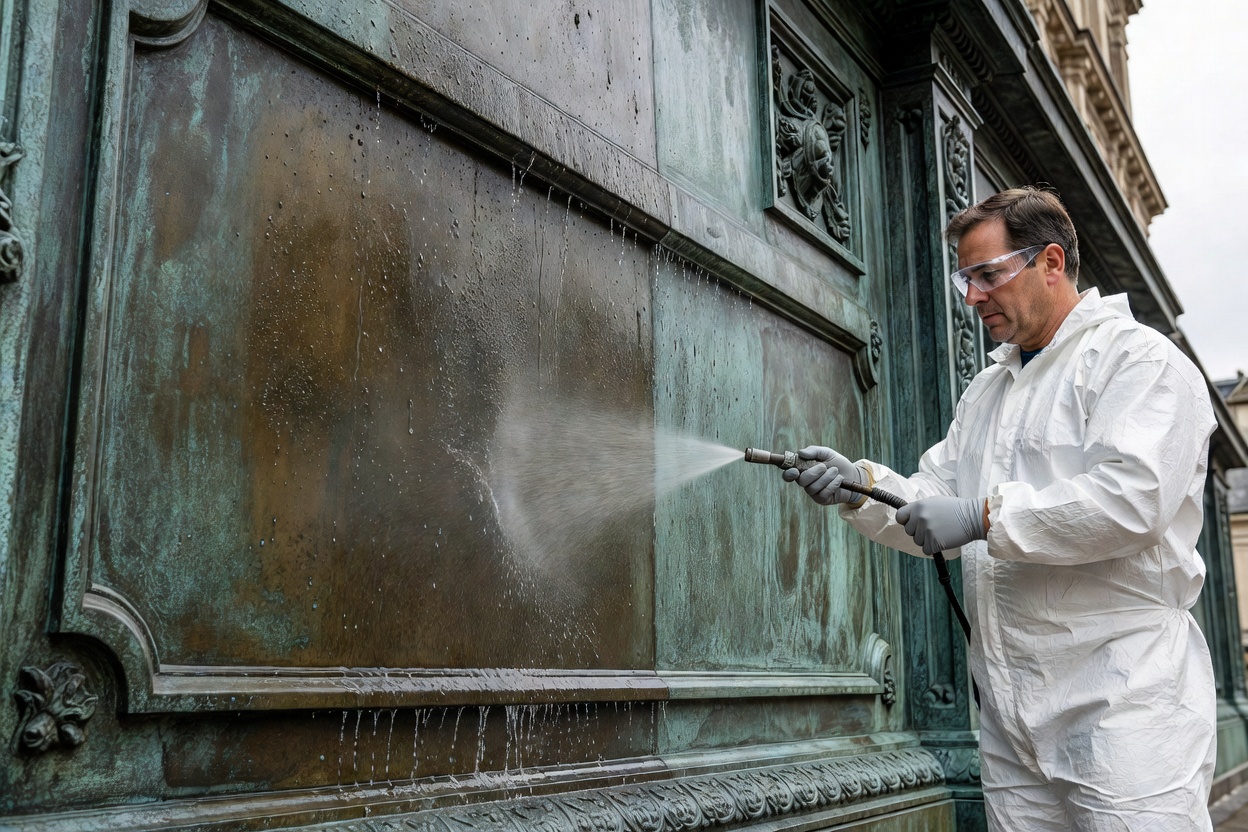
Conservator gently rinsing architectural bronze surface using controlled low-pressure water mist
01 Gentle Surface Remediation

Sculpture Cleaning

Safe removal of atmospheric crusts, soot deposits, and biological growth without damaging delicate stone crisps or irreplaceable bronze oxide layers.

Water-mist micro nebulization pH-neutral poultices
Explore Cleaning
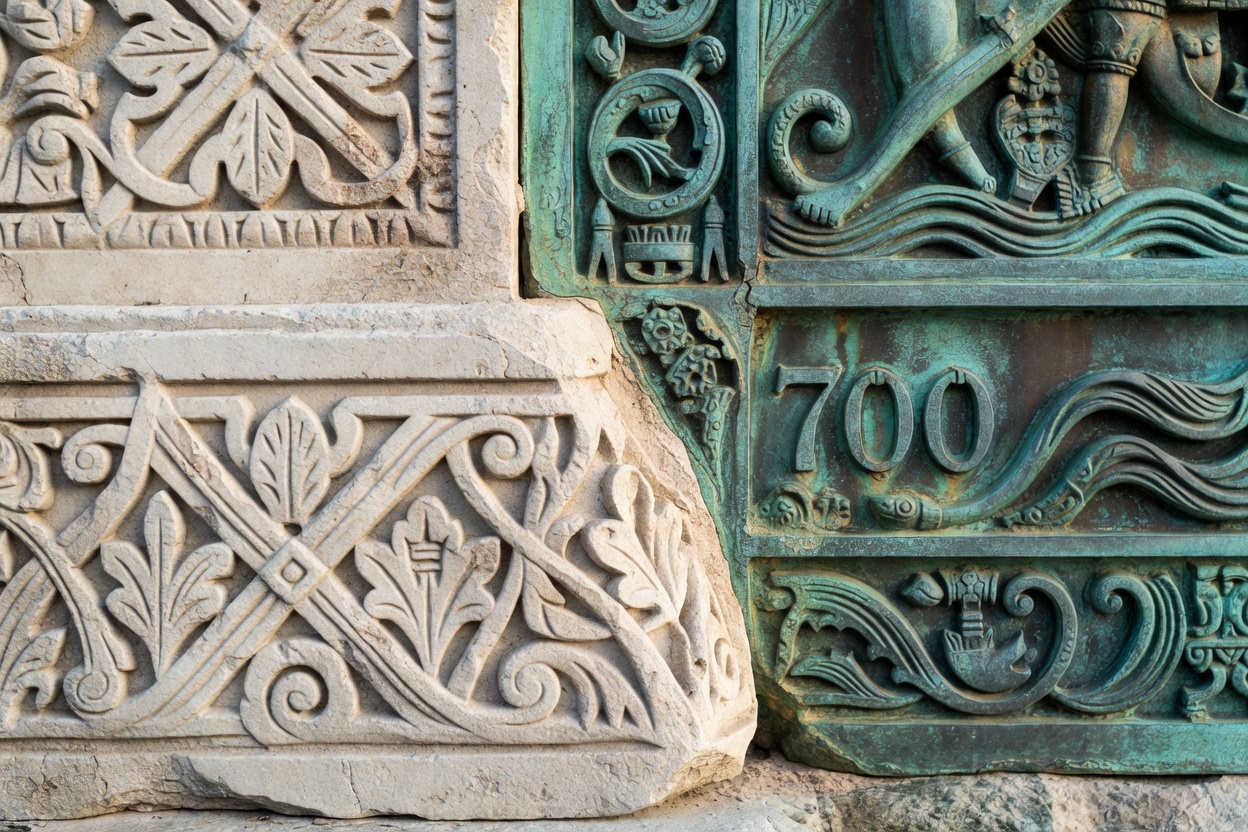
Detailed close-up of carved limestone monument base interfacing with an oxidized cast bronze relief
02 Substrate Specific Care

Stone & Bronze Care

Targeted material stabilization addressing sub-efflorescence salts in porous sedimentary stone, pitting corrosion in copper alloys, and galvanic interactions.

Lithic consolidation Corrosion neutralization
Explore Material Care
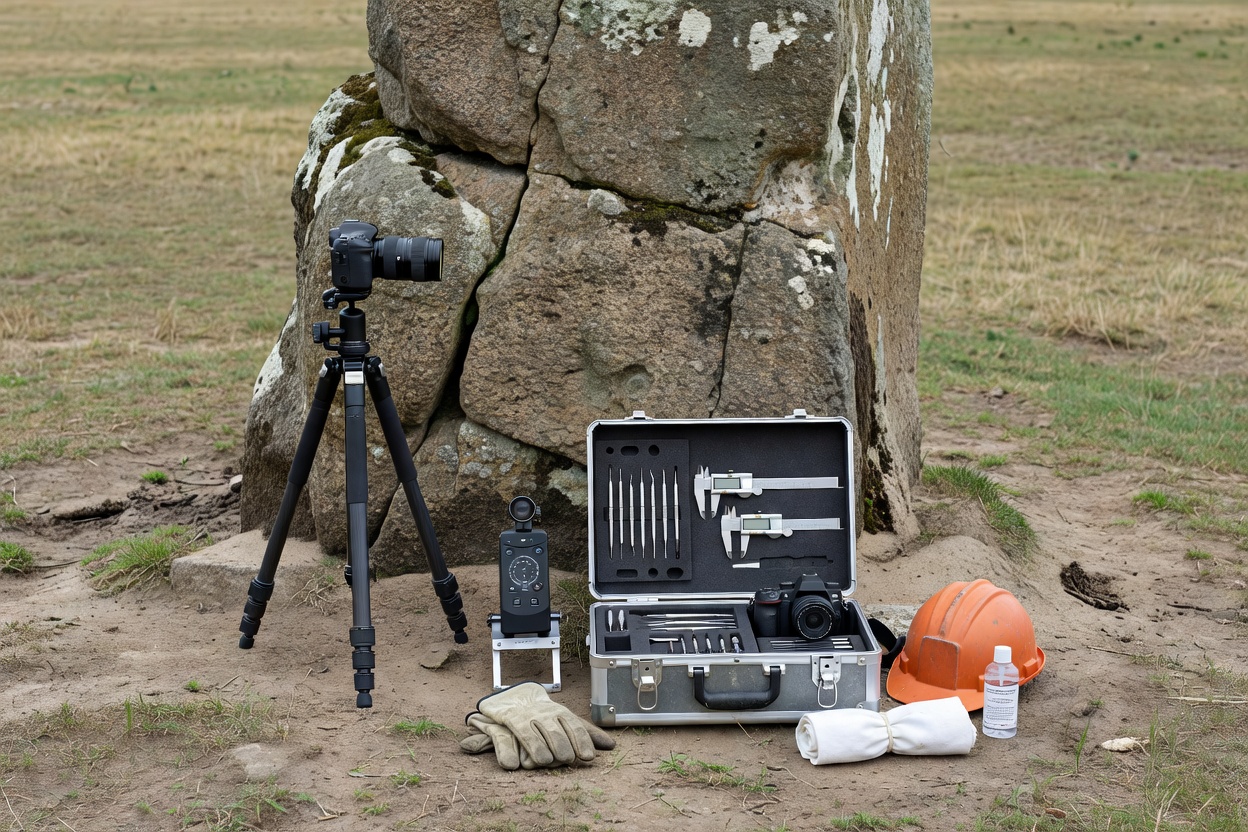
Conservation documentation field equipment positioned in front of a weathered stone monument
03 Diagnostic Surveys

Condition Assessment

Systematic visual inspection, non-destructive moisture mapping, crack analysis, and photographic record-keeping to inform municipal care priorities.

Photogrammetry Ultrasonic flaw assessment
Explore Assessment
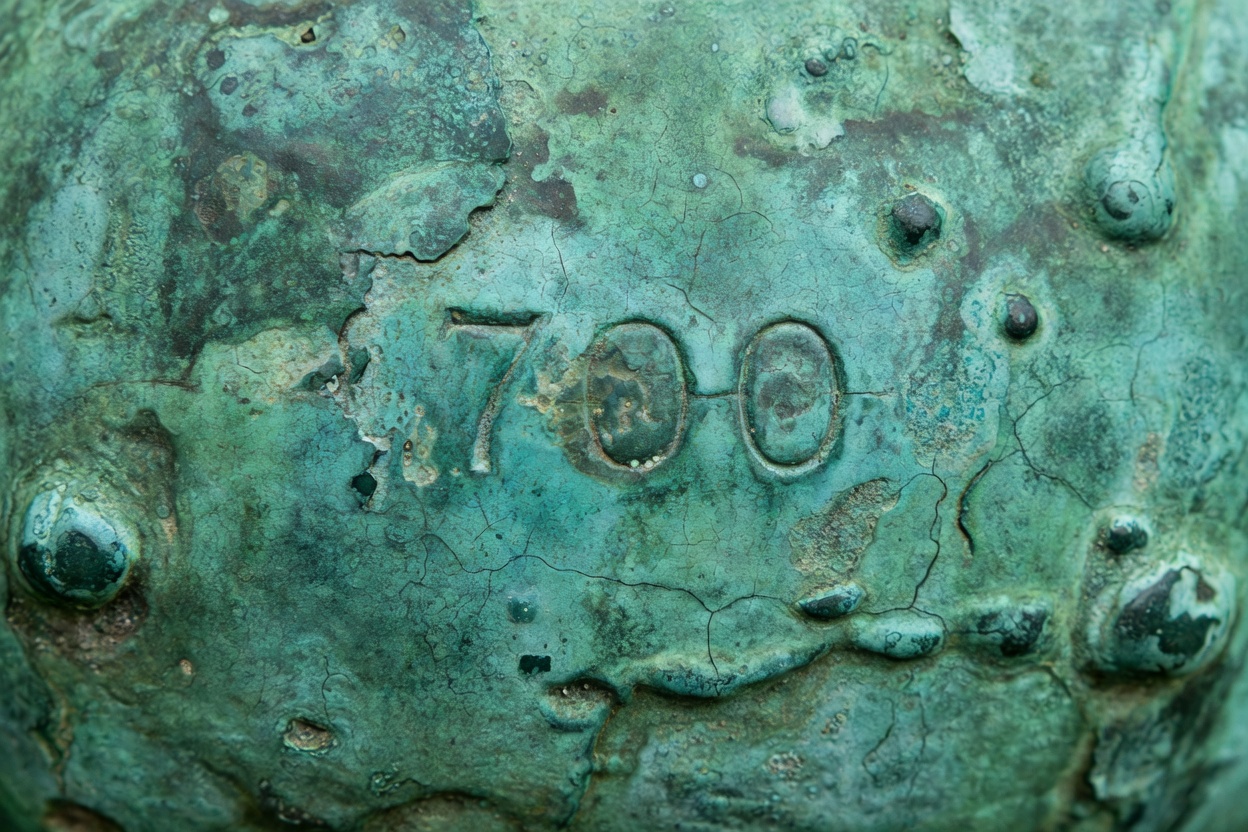
Extreme close up of naturally aged green verdigris patina on outdoor cast bronze sculpture
04 Protective Chemistry

Surface & Patina Management

Balancing aesthetic historic patinas against destructive active bronze disease through microcrystalline waxes, corrosion inhibitors, and environmental tracking.

Cuprite stabilization Reversible wax barriers
Explore Surface Care
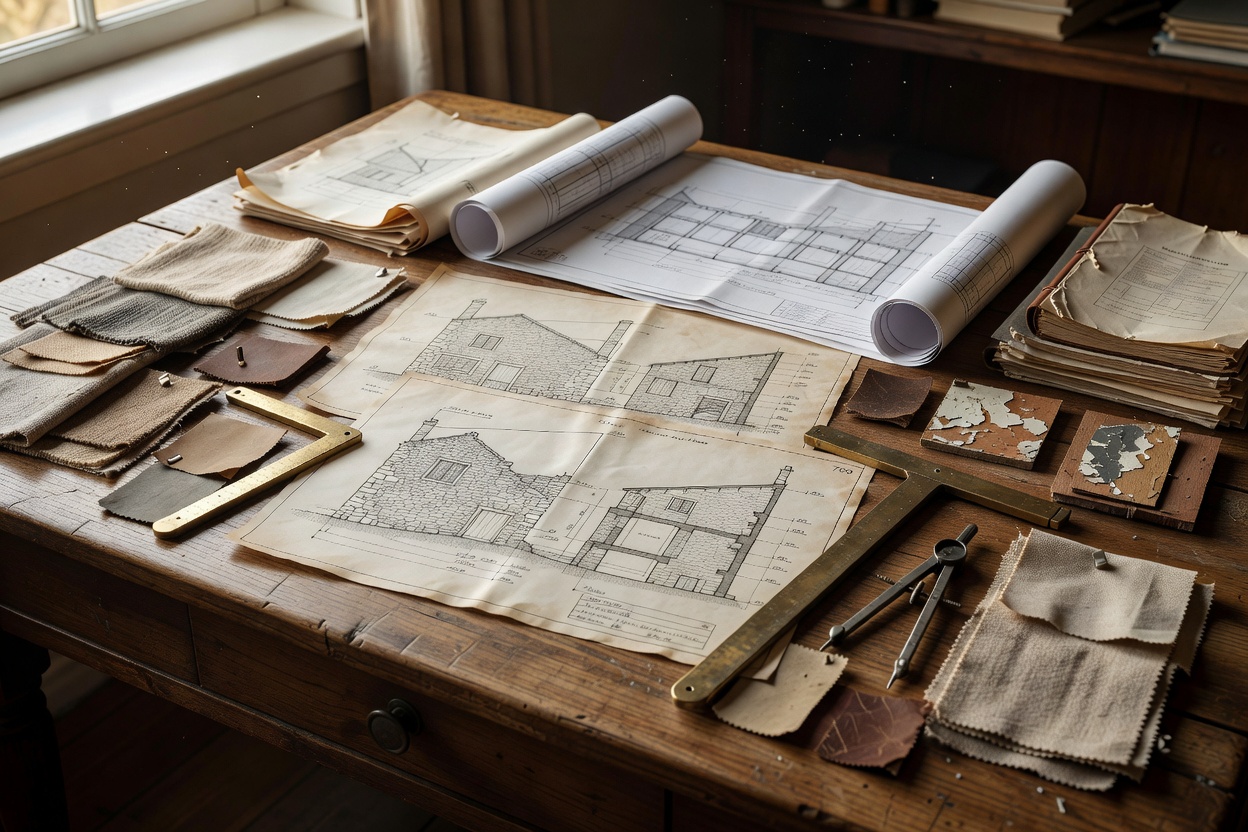
Architectural conservation plans, drawings, and swatches placed on a wooden desk
05 Lifecycle Stewardship

Conservation Planning

Creating actionable multi-year maintenance frameworks, risk schedules, and specialist coordination plans for public art custodians and local councils.

Cyclical maintenance cycles Stakeholder briefs
Explore Planning
Material Truth

Patina is history made visible, not dirt to be stripped away.

Early restoration efforts in the 19th and mid-20th centuries often treated bronze statues with aggressive sandblasting or acidic strippers to restore them to bare metal. Today, international conservation guidelines recognize stable cuprite and basic copper sulfate patinas as integral historical evidence and protective barriers.

Micro-Climates

Every plaza, park, and facade creates a distinct exposure zone.

A stone carving nestled beneath a tree canopy suffers from persistent shade, leaf tannins, and biological moss. The same stone on an open boulevard faces sulfur dioxide, diesel particulates, and rapid thermal cycling. Treatment must reflect the exact place where the sculpture lives.

Reversibility

Everything applied to a monument must be safely removable tomorrow.

Whether applying a protective microcrystalline wax coat or filling a fractured stone seam with hydraulic lime mortar, our materials remain softer and more vapor-permeable than the host substrate, ensuring future generations can revise treatments without loss of fabric.

Collaborative Inquiry

Preparing a public sculpture for seasonal maintenance?

We work with civic custodians, historic preservation trusts, and architecture practices to evaluate surface stability and plan defensible, non-destructive treatments.